The Nature of Luck in Gambling
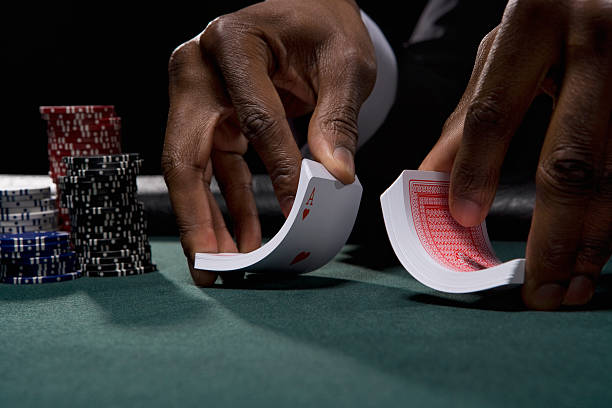
Luck is often considered the defining element in the world of gambling, and many players believe that a well-planned tactical step can enhance their chances of winning. Whether you’re spinning the reels of a slot machine or placing bets at a card table, luck seems to dictate the outcomes of these games. Many players enter a casino with the hope that chance will favor them, leading to substantial wins. However, luck in gambling is not just about the whims of fate; it also intertwines with skill, strategy, and even emotional state, creating a complex tapestry of experiences unique to every individual.
The randomness of most casino games means that players can never predict outcomes with certainty. While some games, like poker, require skill and strategy, others, such as roulette, are predominantly left to chance. This unpredictable nature amplifies the thrill and excitement of playing, as each spin or hand can lead to unexpected results. For many, the element of luck heightens the suspense and engagement, making every moment spent in the casino a potential turning point.
Furthermore, the psychological impact of luck cannot be understated. Players often engage in rituals or habits that they believe influence their luck, such as wearing a lucky shirt or choosing specific seat placements. These behaviors underline the intrinsic connection between luck and personal belief systems. This belief in luck can enhance the experience, as it adds a layer of personal meaning to the game, making wins feel even more significant and losses less impactful.
Luck and Game Selection
The choice of games in a casino can significantly affect how luck plays a role in your experience. Different games have varying house edges and payout rates, which can influence players’ perceptions of luck. For example, slot machines tend to be heavily reliant on luck, as players must depend solely on random number generators to yield winning combinations. Conversely, table games like blackjack allow for a strategy component, where players can leverage skill to improve their chances—even though luck still remains a factor.
Moreover, players may gravitate toward games they believe are ‘luckier’ than others based on personal experiences or recommendations. This subjective assessment can shape how one perceives their gambling journey. A player who enjoys frequent wins on a particular slot machine may return to that game, convinced that it holds a special allure of luck. This illustrates how individual perceptions of luck can influence game selection and ultimately, the overall casino experience.
Additionally, live dealer games introduce an exciting dynamic of luck combined with a social aspect. Players interact in real-time, and the presence of a dealer can amplify the feeling of a shared experience. This environment generates a collective energy, which may lead to an increased belief in luck, as enthusiasm and camaraderie build among players. Ultimately, the games chosen not only dictate outcomes but also shape players’ relationships with luck and chance.
The Role of Superstitions
Superstitions are an integral part of the casino culture, weaving luck into the fabric of the gambling experience. Many players carry personal beliefs that certain actions can influence their luck, such as betting on lucky numbers or avoiding specific behaviors when playing. These superstitions can vary widely between cultures and individuals, yet they all elevate the importance of luck in gambling. Players may engage in rituals before placing bets, believing that these actions will bring them good fortune.
Interestingly, the casino environment itself is designed to amplify these superstitions. From the sounds of coins spilling on the ground to the flashy lights of slot machines, every aspect can evoke feelings of luck and prosperity. Casinos often appeal to these beliefs through their branding and marketing, promising a chance at fortune through gameplay. This connection between environment and superstition creates a unique atmosphere that can significantly enhance a player’s experience.
Moreover, the stories of lucky winners serve to reinforce superstitions and the notion of luck within the gambling community. Tales of individuals hitting jackpots or experiencing life-changing wins circulate through conversations and social media, perpetuating the idea that luck is a tangible force in casinos. These narratives not only cultivate a hopeful mindset among players but also provide inspiration, motivating others to try their luck in pursuit of a similar fate.
Strategies to Manage Luck
While luck is often out of our hands, players can adopt strategies to manage it and enhance their overall casino experience. One key method is bankroll management, which involves setting limits on how much one is willing to spend and sticking to these limits. This approach helps mitigate the negative emotional impact of losing streaks, enabling players to approach each gaming session with a clear mind. By doing so, individuals can derive enjoyment from the experience itself, rather than focusing solely on the outcomes.
In addition, developing a gambling strategy can also help players feel more in control. In games where skill plays a role, such as poker or blackjack, players can utilize techniques to improve their odds, balancing the element of luck. For instance, understanding basic strategy in blackjack can reduce the house edge, allowing players to rely on their decisions rather than leaving everything to chance. This combination of skill and luck can lead to a more rewarding experience.
Another effective strategy is to take breaks during gaming sessions. Continuous play can lead to fatigue and emotional decision-making, skewing perceptions of luck. Taking a step back allows players to reset and reassess their strategies and boosts the mental clarity needed for effective gambling. By learning to manage their emotions and expectations, players can create a more enjoyable casino experience that is less dependent on the whims of luck.
Exploring the Excitement of the Casino Experience
The casino environment is designed to generate excitement and anticipation, with every game offering a unique experience steeped in the element of luck. As players step onto the casino floor, they are enveloped by dazzling lights, enticing sounds, and a vibrant atmosphere filled with potential. This sensory overload can heighten the thrill of gambling, reinforcing the idea that luck is always just around the corner, ready to reward those who are willing to play.
The social component of casinos adds another layer to the experience, with players cheering each other on and sharing in the highs and lows of their respective games. This camaraderie can significantly impact the perception of luck, turning individual wins and losses into shared experiences that resonate deeper than the mere act of gambling. Engaging with others fosters a sense of community and belonging, enriching the overall casino experience.
Lastly, the stories and memories created in a casino setting often transcend monetary outcomes. Players remember the laughter, the thrill of anticipation, and the sense of adventure that accompanies each visit. These experiences, intertwined with the luck factor, form lasting impressions that keep people returning to the casino, eager to test their fate and create new memories. Ultimately, the interplay of luck, strategy, and camaraderie encapsulates what makes the casino experience so captivating.